
Stellest Lenses vs. Regular Glasses: What's the Difference for Children With Myopia?
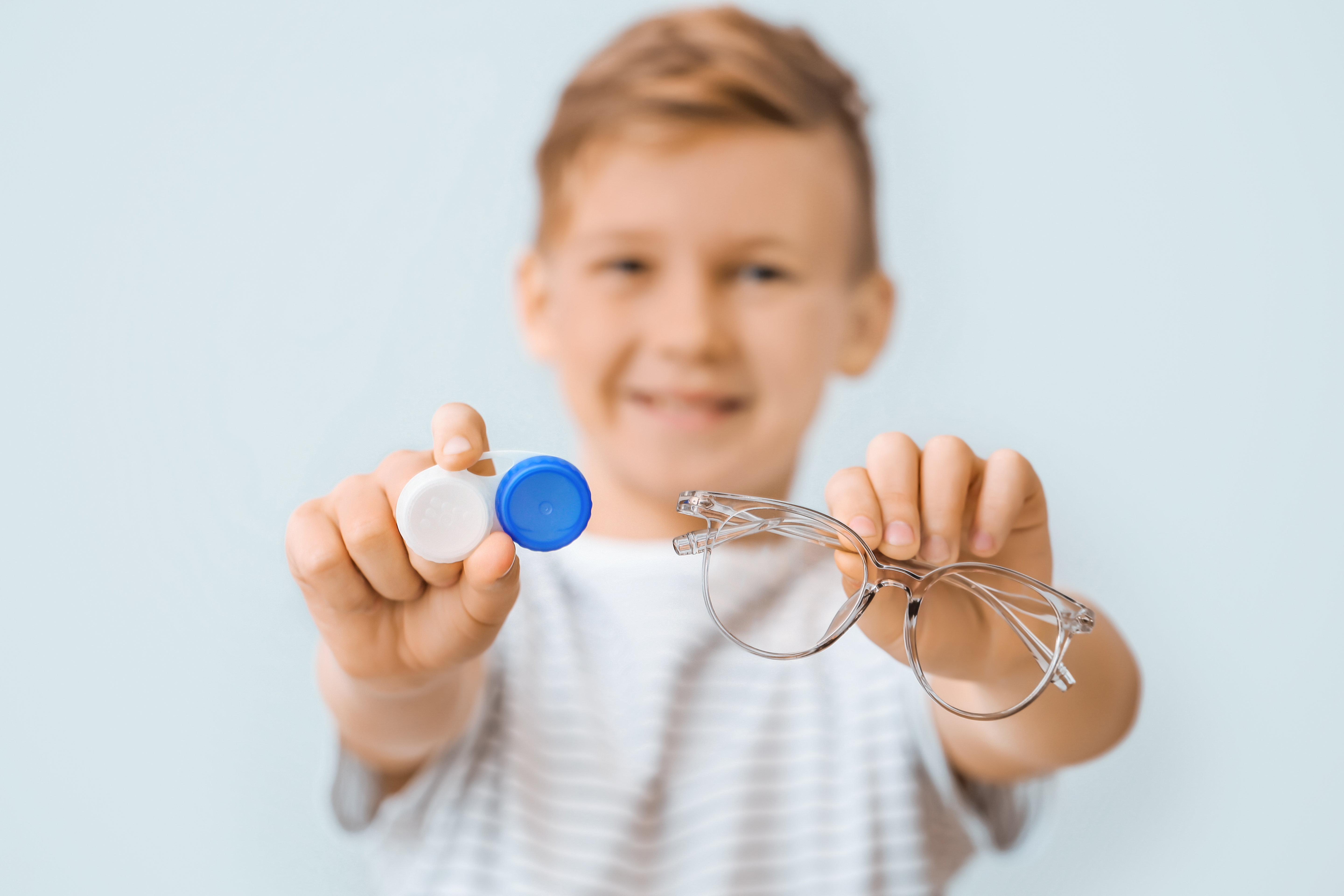
When a child is nearsighted, getting glasses can make a noticeable difference in how clearly they see the classroom board, street signs, and other distant objects. However, not all eyeglass lenses are designed to do the same job. At F & M Family Eyecare in Riverdale, GA, we help families understand how Essilor Stellest lenses differ from regular glasses and when myopia management may be worth considering.
What Regular Glasses Do for Myopia
Myopia, or nearsightedness, occurs when light focuses in front of the retina rather than directly on it, often because the eye has grown too long. Standard single-vision glasses refocus light so children can see distant objects clearly.
Although regular glasses improve vision while worn, they are not specifically designed to slow the eye growth associated with progressing myopia. A child may continue needing stronger prescriptions as they grow, even when their current glasses work well.
How Stellest Lenses Work Differently
Stellest lenses are prescription eyeglass lenses that correct blurry distance vision while also helping slow myopia progression. They use Essilor's Highly Aspherical Lenslet Target (H.A.L.T.) technology, which combines a clear central viewing area with a surrounding pattern of tiny lenslets.
These lenslets create an optical signal intended to help reduce excessive eye elongation, a major contributor to worsening nearsightedness. In a two-year U.S. clinical trial reviewed by the FDA, Stellest lenses slowed both prescription progression and eye elongation compared with standard single-vision lenses.
Stellest lenses look similar to everyday glasses, so children can wear them without switching to contact lenses or using eye drops.
Stellest Lenses vs. Regular Glasses: Key Differences
Both options provide prescription vision correction, but they differ in how they work and what they aim to accomplish:
· Vision correction: Both help children see more clearly at a distance.
· Myopia control: Stellest lenses are specifically designed to slow progression, while standard single-vision lenses are not.
· Lens design: Regular glasses use conventional corrective optics, while Stellest lenses incorporate specialized peripheral lenslets.
· Daily routine: Both are worn as glasses, but Stellest lenses should be worn consistently according to our eye doctor's instructions to support treatment.
Which Children May Benefit From Stellest Lenses?
The FDA has authorized Stellest lenses for children ages 6 to 12 when starting treatment. They may be particularly useful for children whose prescriptions are changing or whose families prefer a glasses-based option rather than contact lenses.
At our Riverdale practice, we consider your child's prescription history, eye health, age, daily habits, and signs of progression before recommending a treatment. Stellest lenses are not a cure for myopia, and results vary from child to child.
Why Regular Follow-Ups Still Matter
Myopia management involves more than choosing specialized lenses. We monitor prescription changes and, when appropriate, eye length to assess how a child's eyes are developing. Follow-up appointments allow us to review lens wear, address any adjustment concerns, and determine whether the treatment plan needs to change.
If your child's nearsightedness is getting stronger, schedule a pediatric eye exam with F & M Family Eyecare in Riverdale, GA, to learn whether Stellest lenses are a suitable option. Call (770) 996-3495 to book an appointment.
Helpful Articles

All Eye Care Services
Find personalized eye care excellence with our comprehensive services. From eye exams to advanced diagnostics, trust us for all your vision needs.

Keep In Touch
For non-urgent questions or to learn more about our services, contact us today!
Contact Us
How Can We Help Improve Your Vision Today?

Quick Links
Contact Info
Hours of Operation
Hours of Operation
- Monday 10:00 am - 6:00 pm
- Tuesday 10:00 am - 6:00 pm
- Wednesday 10:00 am - 6:00 pm
- Thursday 10:00 am - 6:00 pm
- Friday 9:00 am - 4:00 pm
- Saturday Closed
- Sunday Closed
- Monday
- Tuesday
- Wednesday
- Thursday
- Friday
- Saturday
- Sunday
- Monday
- Tuesday
- Wednesday
- Thursday
- Friday
- Saturday
- Sunday
© 2026 F & M Family Eyecare. All rights Reserved - Accessibility Statement - Privacy Policy - Sitemap
Managed and Designed by 